Creating a property maintenance schedule for plumbing, electrical and aircon servicing is one of the simplest ways to keep a Singapore home or investment property running smoothly. Whether you manage an HDB flat, a condominium unit or a landed home, a clear schedule helps you stay ahead of leaks, tripping circuits, poor cooling and avoidable breakdowns. It also makes it easier to plan inspections, book the right trade at the right time and keep records of what has been checked.
For homeowners and landlords, the aim is not to over-service everything, but to organise practical maintenance around the actual condition and usage of the property. Plumbing, electrical services and aircon servicing are separate trades, so each should be assessed and scheduled on its own merits. A well-planned routine also supports safer living, better comfort and fewer emergency call-outs.
Start with a property-wide inventory
The first step is to list the fixtures and systems in the home that need attention. This gives you a clear base for planning and helps avoid missing anything important.
- Plumbing: sinks, taps, shower mixers, floor traps, toilets, water heaters, exposed piping and under-sink connections.
- Electrical: power points, switches, lighting, ceiling fans, distribution board access, and visible signs of wear on sockets or cords.
- Aircon: indoor fan coil units, outdoor condenser access, filters, drainage lines and remote controls.
If the property is older, or if there have been repeated issues in certain areas, note these separately. A simple checklist is often enough at the beginning. Over time, it becomes easier to identify patterns, such as a recurring leak in one bathroom or reduced cooling in a specific room.
Decide what needs routine checks versus professional servicing
Not every task belongs in the same category. Some matters are suitable for basic observation by the occupant or property manager, while others should be handled by a relevant service provider.
Routine checks you can monitor:
- Visible water stains, damp patches or slow drips
- Loose sockets, flickering lights or tripping issues
- Unusual aircon noise, weak airflow or water dripping from the unit
- Blocked floor traps or slow drainage
Professional servicing should be arranged for:
- Persistent plumbing leaks or drainage faults
- Electrical faults, damaged fittings or repeated power trips
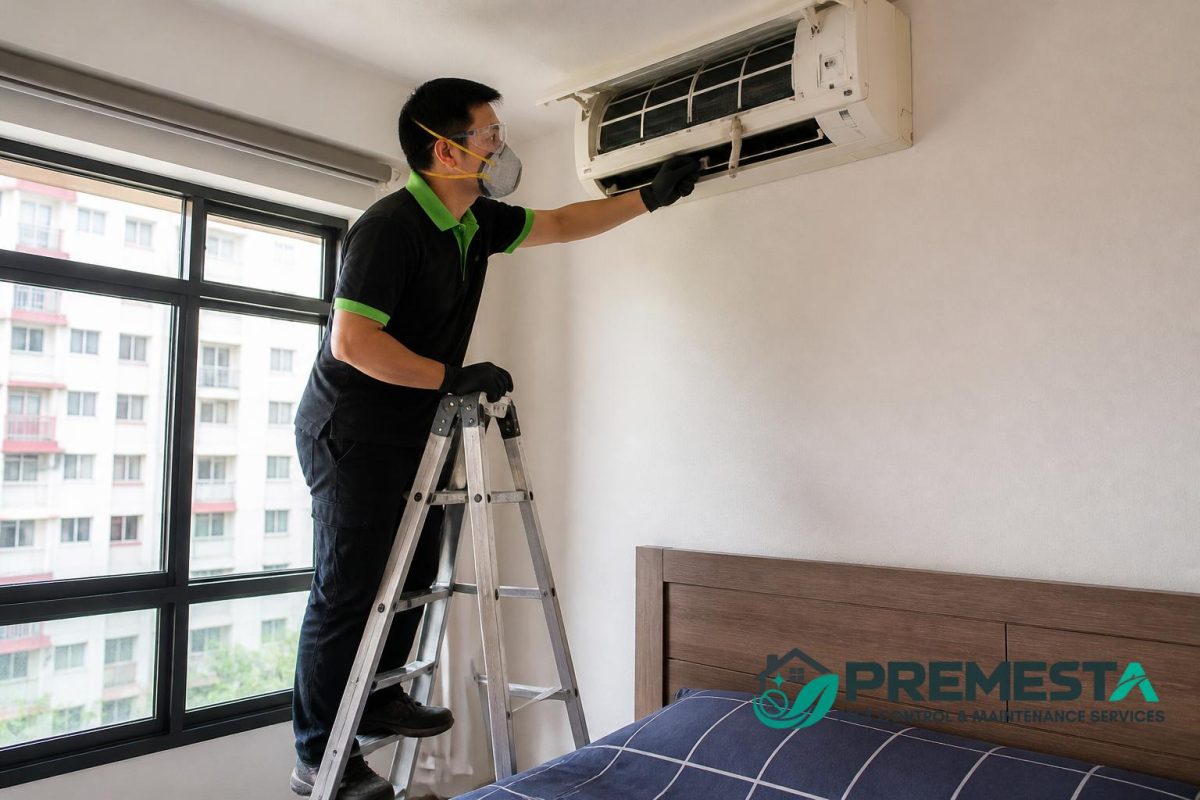
- Aircon cleaning, drainage checks and performance-related servicing
A good maintenance schedule is practical rather than overly rigid. For example, a lightly used guest room may not need the same frequency of aircon checks as a main bedroom used daily. Likewise, a bathroom with frequent use may need closer monitoring for seal wear, stains or slow drainage.
Build a monthly, quarterly and annual schedule
Breaking the schedule into time blocks makes it easier to manage. It also helps with budgeting and planning around work schedules, tenancy changes or renovation periods.
Monthly:
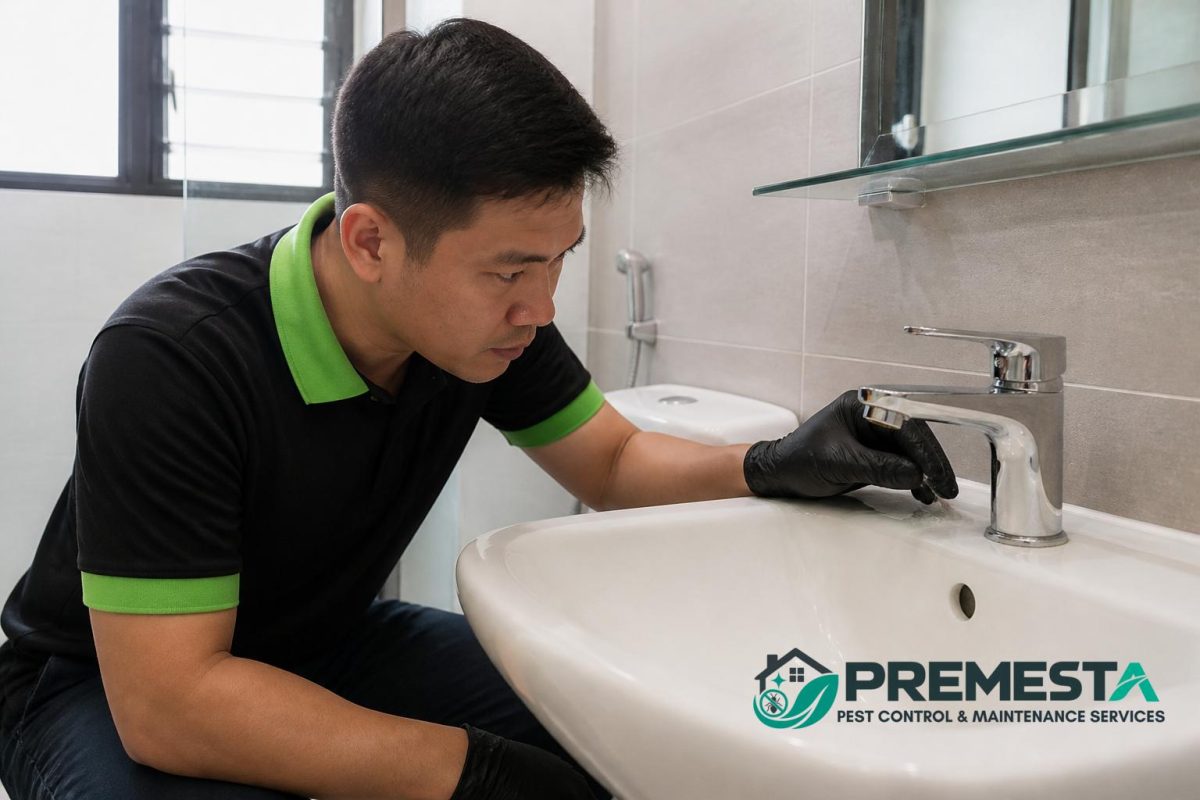
- Check taps, basins and toilets for visible leaks
- Look for damp marks around walls, cabinets and ceilings
- Test a sample of power points and switches for normal function
- Inspect aircon filters and note any reduction in cooling or airflow
Quarterly:
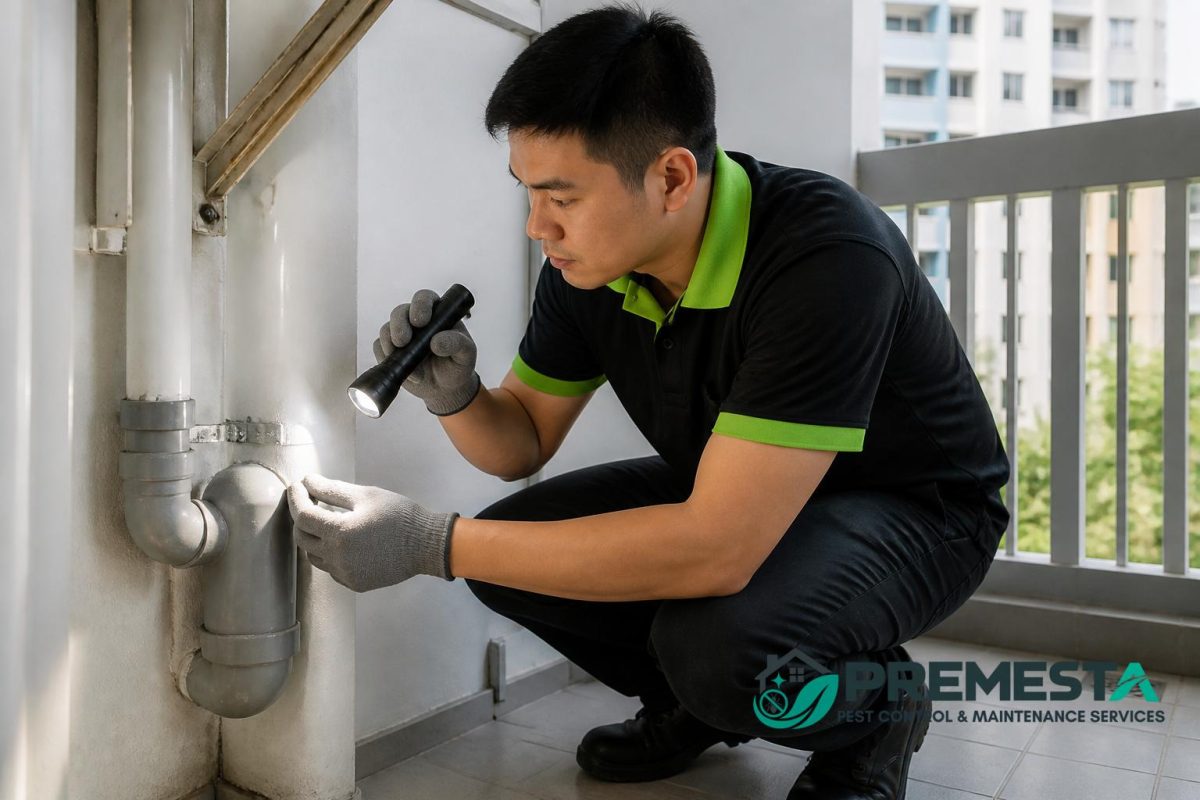
- Review plumbing fixtures for wear, loose seals or slow drainage
- Inspect electrical points in high-use areas such as the kitchen and living room
- Arrange aircon servicing according to the property’s use and condition
- Record any repeated issues so they can be followed up properly
Annually:
- Carry out a full review of the plumbing system condition
- Check the overall condition of electrical fittings and visible wiring points
- Assess whether aircon units need deeper attention based on usage and performance
- Update the maintenance log and plan for known problem areas
Match the schedule to the property type
Singapore homes vary a great deal, so the schedule should reflect the property’s layout, age and occupancy. A compact HDB flat with two occupants will usually have different demands from a larger landed home or a condo unit with more bathrooms and aircon units.
HDB flats: Pay attention to shared wet areas, kitchen plumbing and the condition of switches and sockets in compact spaces where wear can build up quickly. Aircon servicing should reflect how often the units are used in humid conditions.
Condominiums: In addition to in-unit checks, residents should keep an eye on any issues linked to concealed piping, drainage performance and frequent use of built-in electrical points. Confirm any access requirements before scheduling work.
Landed homes: Larger homes often have more fixtures to track, so a written maintenance log is especially useful. External exposure, multiple bathrooms and longer pipe runs can make early detection of faults more important.
Keep records so small issues do not become big ones
A maintenance schedule works best when it is paired with simple records. This does not need to be complicated. A notebook, spreadsheet or notes app is usually enough.
- Date of inspection or servicing
- Area checked, such as kitchen sink, master bathroom or bedroom aircon
- Any faults observed
- Action taken, such as monitoring, repair or booking a service
- Photos of visible faults where useful
Records are helpful when coordinating with a plumber, electrician or aircon technician, especially if a problem keeps returning. They also make it easier for landlords and facility teams to show what has been reviewed and when.
Plan safely before any work is carried out
Safety should be part of the schedule, not an afterthought. Before a visit, make sure the affected area is easy to access and that any obvious hazards are noted.
- Clear access to sinks, electrical panels, sockets or aircon units
- Move fragile items away from the work area
- Take note of any water leakage or unusual heat around fittings
- Avoid using visibly damaged sockets or appliances until they are checked
If a fault seems urgent, such as active leaking, repeated circuit trips or unusual burning smells, it should be reported promptly rather than left for the next routine date. A schedule is useful, but it should never delay action where safety is concerned.
WhatsApp Premesta Pest Control & Maintenance Services Singapore for an assessment or quotation.
Conclusion
A practical property maintenance schedule for plumbing, electrical and aircon servicing helps you stay organised, reduce disruption and respond earlier to faults. The best approach is simple: list the fixtures, set review intervals, record observations and arrange the right trade when a problem needs attention. For Singapore homes, this steady approach is often more effective than waiting for a breakdown.
Choose Premesta Pest Control & Maintenance Services Singapore
Premesta Pest Control & Maintenance Services Singapore provides professional pest control, pest management, and property maintenance services for HDB flats, condominiums, landed homes, and commercial properties across Singapore. We help property owners address pest infestations, identify potential causes, and manage conditions that may lead to recurring pest problems. Our services include bed bug pest control, bed bug extermination, bed bug treatment, termite control, and preventive pest management. We also offer cleaning services, including mattress cleaning and sofa cleaning, to support cleaner and more comfortable indoor environments.
Beyond pest control, our property maintenance services cover plumbing, aircon servicing, electrical services, and handyman services for general repairs and property upkeep. Our additional services include mould removal and ventilation fan services to address common property maintenance concerns. Whether you require pest treatment, routine cleaning, or household repairs, we recommend practical solutions based on your property’s condition and requirements.
For more information about pest prevention, cleaning, and property upkeep, visit our blog for helpful guides or explore our completed projects to learn more about our services across Singapore. Contact us via WhatsApp at +65 8241 0032 to discuss your pest control and property maintenance needs and request a quotation.
Frequently Asked Questions
How often should I review plumbing, electrical and aircon items?
There is no single fixed interval for every property. A sensible approach is to check visible plumbing and electrical items monthly, review the overall condition quarterly, and plan a fuller annual review. Aircon servicing frequency should depend on usage, the number of units and the condition of each system.
Should I put all maintenance tasks into one schedule?
Yes, but keep each trade separate within the schedule. Plumbing, electrical work and aircon servicing involve different systems and should be tracked individually. This makes it easier to assign the right task to the right service provider.
What information should I prepare before booking maintenance?
Prepare the affected area, the fault details, and any useful photographs of the issue. For plumbing, note where the leak or blockage is. For electrical concerns, describe the symptom clearly and avoid using the damaged fitting. For aircon issues, note the room, the unit involved and the visible condition of the system.