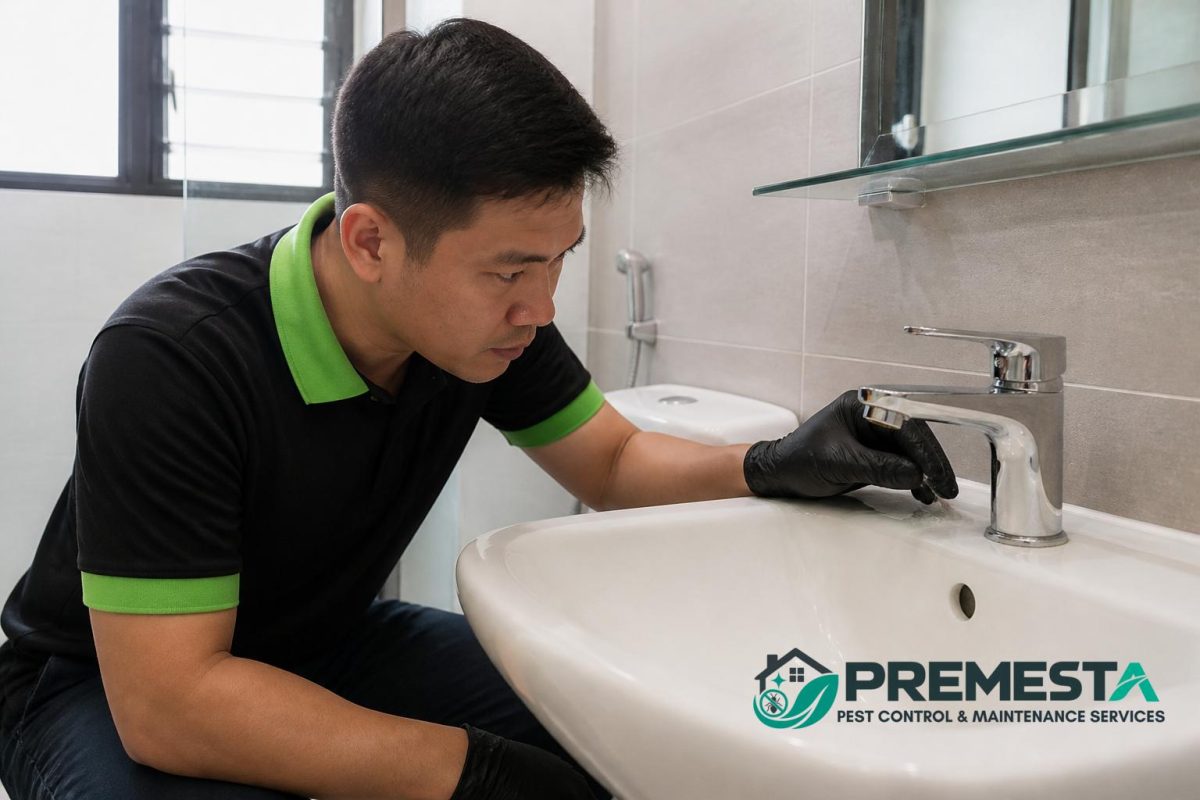
Loose door hinges, wobbly handles and small fixture faults are easy to ignore at first, especially in a busy Singapore home. Yet these minor issues can quickly become more irritating, and sometimes more costly, when doors start scraping, handles loosen further, or fixtures pull away from the wall or cabinet. In HDB flats, condominiums and landed homes, property maintenance is often about catching these problems before they affect daily use or cause avoidable wear.
Knowing when to call a handyman is less about waiting until something fails completely and more about assessing whether a simple repair can restore safe, reliable use. For a door, handle or fixture, the right time to seek help is usually when tightening no longer works, the fitting feels unstable, or the problem keeps returning after a basic adjustment. Premesta Pest Control & Maintenance Services Singapore supports practical property maintenance needs such as these, with a focus on straightforward, local home conditions.
What counts as a loose hinge, handle or fixture?
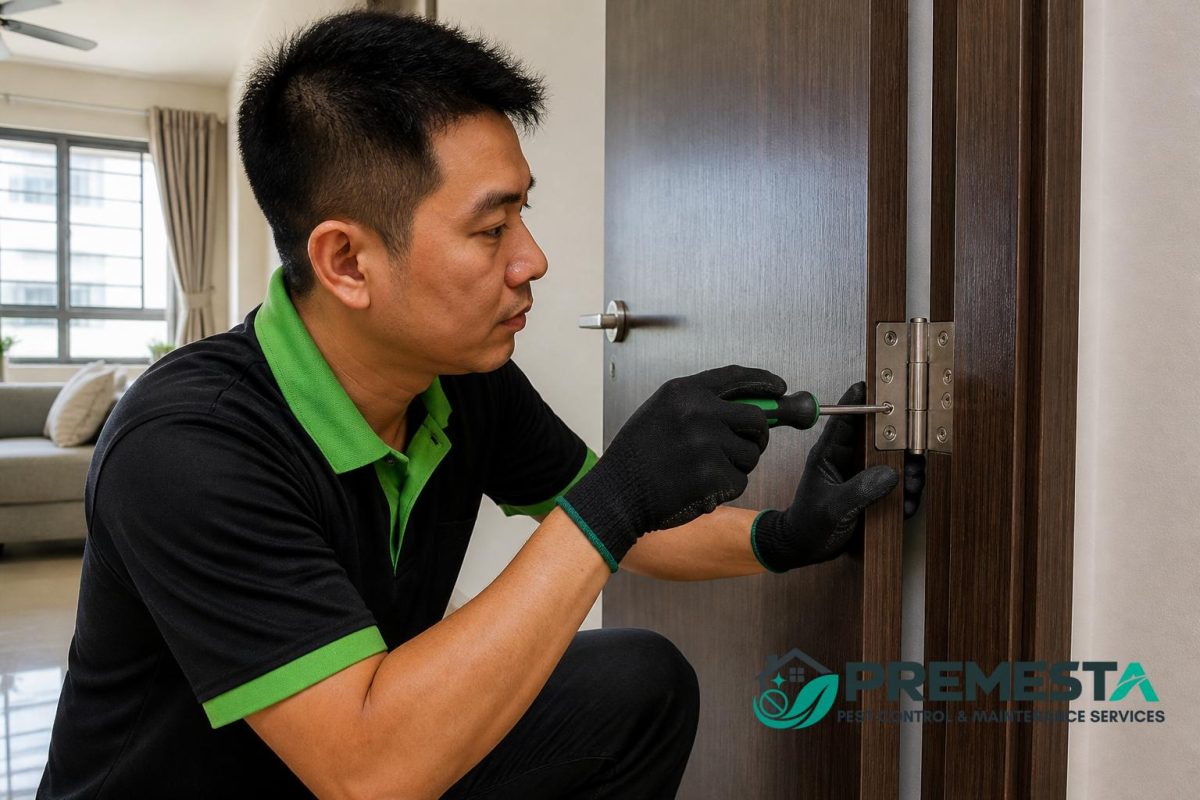
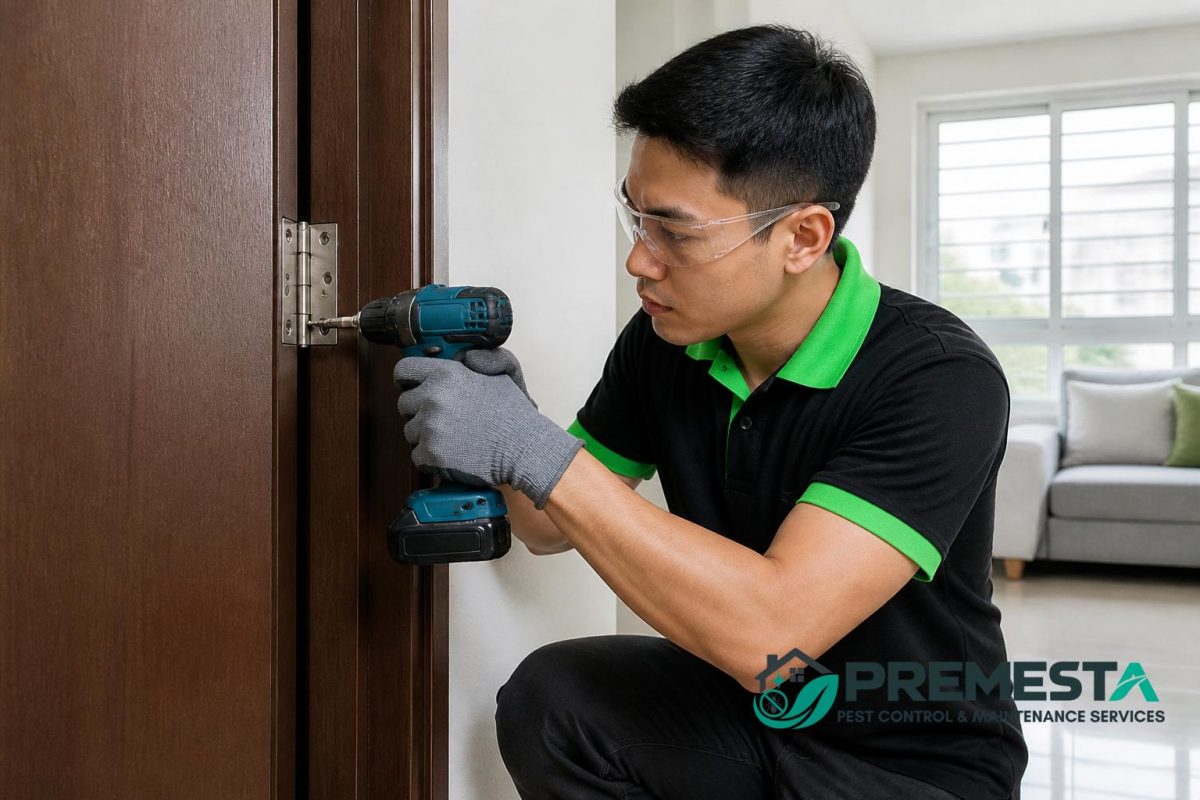
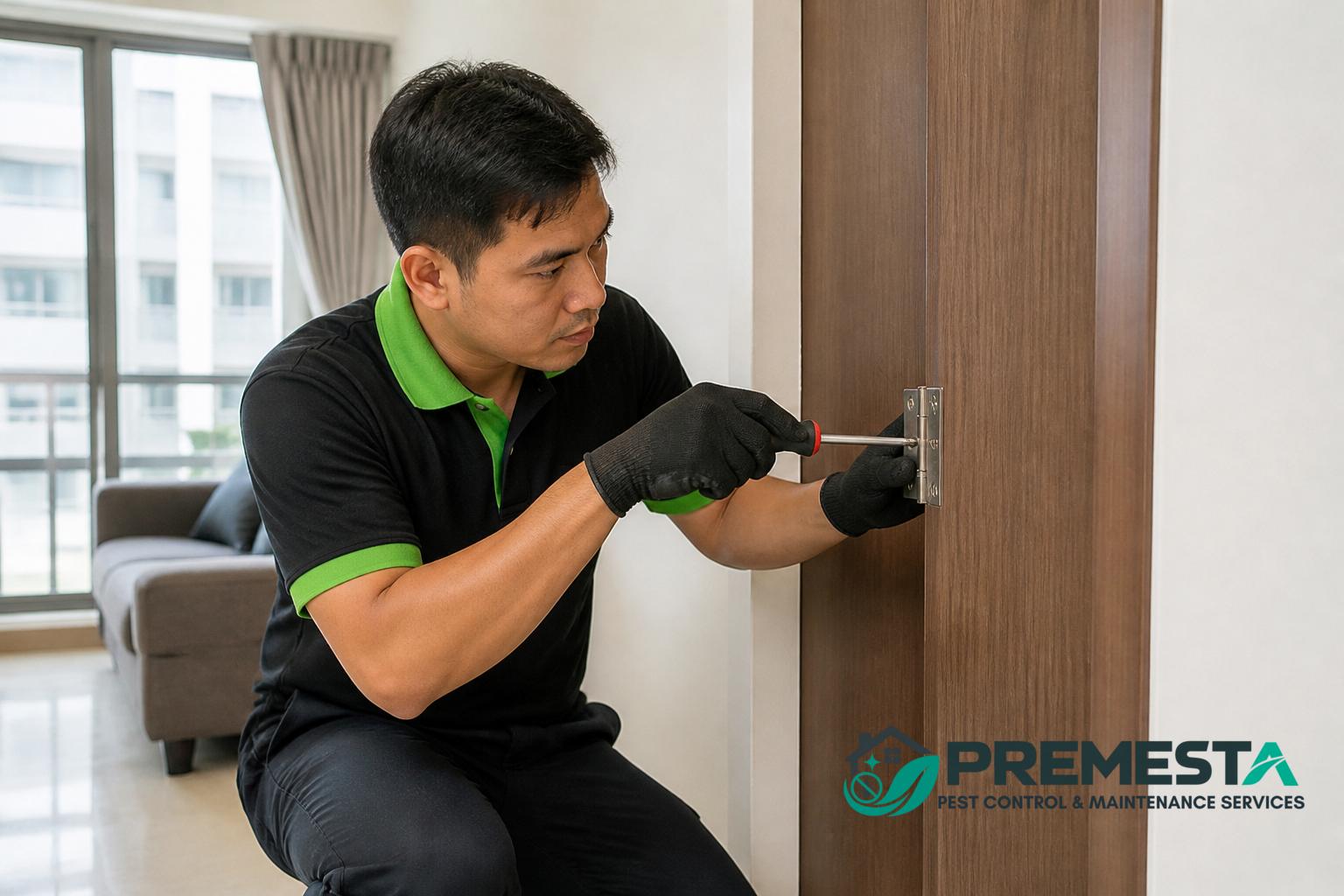
Property fittings are considered problematic when they no longer perform their basic function securely. A loose door hinge may cause the door to drop slightly, rub against the frame or shut unevenly. A handle may spin, wobble or feel partially detached. Fixtures can include cabinet fittings, towel bars, door stops, hooks, latches and other mounted items that should remain firmly in place.
Some faults are obvious, while others show up only during everyday use. For example:
- A bedroom door that no longer closes smoothly
- A kitchen cabinet handle that shifts when pulled
- A bathroom hook or shelf that feels unstable on the wall
- A gate latch or internal door fixture that needs repeated tightening
These issues may look minor, but they often point to worn screws, damaged fixing points, misalignment or repeated strain on the fitting.
When a simple tightening may not be enough
Many homeowners try a quick tighten first, and that is reasonable for a newly loosened fitting. However, if the same hinge or handle becomes loose again after a short time, there is usually a deeper issue. The screw holes may have widened, the base material may be weakened, or the item may not have been installed with sufficient support for regular use.
You should consider calling a handyman when:
- The fitting loosens again after tightening
- Screws turn without gripping properly
- The door or item has shifted out of alignment
- The fixture moves when pressure is applied
- There is visible damage to the wood, wall or mounting surface
In these cases, continuing to force the fitting can make the damage worse. A handyman can assess whether the part needs a better anchor, a replacement screw, a repair to the fixing point, or a more suitable installation method.
Why loose fixtures should not be left too long
Leaving a loose hinge or handle unaddressed may seem harmless, but repeated movement puts extra strain on nearby materials. Over time, this can enlarge screw holes, crack the surrounding surface or cause the fixture to detach more abruptly. A door that sags can also wear down the frame and floor area.
For households with children, elderly family members or frequent visitors, unstable fittings can be inconvenient and, in some cases, unsafe. A loose handle on a bathroom door, for instance, may become difficult to use quickly. A badly secured shelf or wall fixture may fall if it is repeatedly loaded. Good property maintenance is not just about appearance; it helps keep everyday items functional and dependable.
What a handyman may look at during an assessment
When you call for handyman support, the first step is usually a practical inspection of the affected fitting and its surroundings. The aim is to understand the cause of the looseness rather than simply tightening the visible screws. The handyman may check the condition of the hardware, the mounting surface and the way the item is being used.
Depending on the issue, the assessment may involve:
- Checking whether screws are worn or stripped
- Looking for signs of cracking, splitting or movement in the base material
- Testing whether the hinge, handle or bracket is aligned properly
- Confirming whether the fixture is suitable for the surface it is fixed to
- Identifying whether the part should be repaired or replaced
This kind of assessment is useful because not every loose fitting has the same cause. A door hinge in a timber frame may need a different fix from a handle mounted on a cabinet panel or a fixture installed on a tiled wall.
Common property maintenance problems in Singapore homes
Singapore homes often see a mix of wear from humidity, frequent use and compact living spaces. Internal doors, cabinet fittings, bathroom accessories and balcony fixtures may all loosen over time. In condominiums and landed properties, repeated opening and closing, cleaning around fittings and everyday movement can gradually affect stability.
Some common examples include:
- Bedroom or bathroom doors that start to sag
- Loose wardrobe handles or drawer pulls
- Cabinet doors that do not shut neatly
- Bathroom accessories that shift on the wall
- Entry or internal fittings that need re-securing after regular use
These are typical handyman tasks rather than specialist trade work, unless the issue is connected to electrical, plumbing or structural concerns. Keeping the categories separate helps ensure the right person attends the right problem.
What you should prepare before arranging a handyman
Clear information helps the handyman understand the issue before visiting. This can reduce unnecessary back-and-forth and makes the assessment more efficient. If possible, note the exact fitting, where it is located and how the problem appears in daily use.
Helpful details to prepare include:
- The room and location of the issue
- What is loose, misaligned or damaged
- How long the problem has been present
- Whether the item was recently repaired or installed
- Clear photographs of the fixture and surrounding area
If the fitting is attached near plumbing, electrical points or a heavy load-bearing surface, mention that too. This allows the handyman to approach the job with the right level of care. Avoid attempting a repair that may affect wiring, pipes or concealed services if you are unsure of what lies behind the surface.
When to call sooner rather than later
It is sensible to seek help promptly if a loose fitting is affecting safety, access or daily convenience. A door that does not close properly, a handle that feels as though it may come away, or a fixture that is already partly detached should not be left until it fails completely. Early attention often means the fix is simpler and less disruptive.
Call a handyman sooner if:
- The fitting is becoming looser each week
- The item supports regular or heavy use
- The mounting point looks damaged
- The issue affects a bathroom, bedroom or main entry door
- There is a risk of the item falling or causing injury
For landlords, agents and homeowners alike, timely maintenance also helps present the property well and reduces complaints about preventable defects.
WhatsApp Premesta Pest Control & Maintenance Services Singapore for an assessment or quotation.
Conclusion
Loose door hinges, handles and fixtures may seem minor, but they often signal that a fitting needs proper attention. If tightening does not hold, the item is out of alignment or the mounting point is worn, it is usually time to call a handyman rather than wait for a bigger problem. In Singapore homes, practical property maintenance helps keep doors, cabinets and fixtures safe, stable and convenient for everyday use.
Choose Premesta Pest Control & Maintenance Services Singapore
Premesta Pest Control & Maintenance Services Singapore offers comprehensive pest control, pest management, and property maintenance solutions for residential and commercial properties throughout Singapore. We assist HDB, condominium, and landed homeowners, as well as businesses, in managing pest activity and maintaining their premises. Our pest management solutions include bed bug pest control, bed bug extermination, bed bug treatment, termite control, and preventive measures to reduce the likelihood of recurring infestations. Alongside these treatments, our cleaning services, including sofa cleaning and mattress cleaning, help property owners maintain their indoor spaces.
Our property maintenance solutions include handyman services, plumbing, aircon servicing, electrical services, mould removal, and ventilation fan services. Whether you are experiencing a pest infestation, dealing with maintenance concerns, or arranging routine property upkeep, we help identify suitable services based on your specific needs. Our approach focuses on addressing existing issues while helping homeowners and businesses maintain cleaner, more comfortable, and well-maintained properties.
If you need assistance with pest management, cleaning, or property maintenance in Singapore, browse our blog for useful information or view our completed projects for examples of our work. You can also contact us through WhatsApp at +65 8241 0032 to enquire about our available services, discuss your property’s requirements, and request a quotation.
Frequently Asked Questions
Can I just tighten a loose hinge or handle myself?
You can try if the fitting is only slightly loose and the screws still grip properly. If the problem returns quickly, the screw holes may be worn or the surface may need repair, which is better handled by a handyman.
What should I tell the handyman before the visit?
Share the exact location, what is loose or damaged, how long it has been happening and whether the item has already been tightened. Photos are useful, especially if the fixture is high up or in a tight space.
Are loose fixtures always a sign of a bigger problem?
Not always, but repeated loosening often means there is underlying wear, misalignment or weak anchoring. A proper assessment can confirm whether the item only needs re-securing or something more substantial.