Booklice are tiny, moisture-loving insects that often show up in Singapore homes when cabinets, bookshelves and storage areas stay damp for long periods. They are not usually a sign of poor hygiene in the usual sense; more often, they point to humidity, poor ventilation, minor leaks or paper-based items stored in less-than-ideal conditions. In HDB flats, condominiums and landed homes alike, these conditions can develop quietly behind closed cabinet doors, in study rooms, wardrobes, store rooms and rarely opened shelves.
For homeowners and tenants, the main challenge is that booklice can be easy to miss until they start appearing on books, cardboard boxes, labels, dry food packaging or the edges of timber shelving. While they are generally not as destructive as termites or as medically concerning as some other pests, they are still a nuisance and a warning sign that moisture control needs attention. Pest control for booklice therefore begins with assessing where the dampness is coming from, identifying affected areas, and targeting the conditions that allow them to persist.
Why booklice appear in damp cabinets and bookshelves
Booklice thrive in environments with higher humidity because they feed on mould, microscopic fungi and organic residues found on paper, glue, cardboard and dust. In Singapore, where humidity is naturally high, cabinets and bookshelves can become ideal harbourages if airflow is limited. Closed doors, stacked belongings and poor circulation allow moisture to linger, especially in rooms that are not air-conditioned regularly or where windows stay shut for long periods.
They often appear in places such as:
- Kitchen cabinets near sinks or dishwashing areas
- Bookshelves in bedrooms, studies or home offices
- Store-room shelving with cardboard boxes and old files
- Wardrobes or built-in carpentry with trapped humidity
- Areas affected by minor leaks, condensation or past dampness
In some cases, booklice may also emerge after rainwater ingress, plumbing seepage or air-conditioning condensation has raised the moisture level inside the cabinetry. If the underlying dampness is not corrected, they can reappear even after visible insects are removed.
Signs that booklice may be present
Booklice are small and pale, so they are not always easy to spot immediately. Many residents first notice them when cleaning a shelf or moving items around. They may be seen crawling on book spines, cabinet walls, paper folders or inside dry food cupboards. In more active infestations, tiny moving specks can be observed along shelf joints, hinges and corners where humidity is trapped.
Common signs include:
- Small pale insects moving on books, paper or cardboard
- Patchy mould or musty odour inside cabinets
- Fine dust-like debris, especially near paper storage
- Recurring insects after wiping surfaces clean
- Damp marks, condensation or softening of cardboard packaging
Because booklice are associated with humidity, their presence is often more obvious during wetter periods or in homes where ventilation is inconsistent. If the same cabinet keeps producing insects, the issue is likely environmental rather than a one-off occurrence.
How pest control for booklice is approached
Pest control for booklice is not simply about spraying a cabinet and hoping the insects disappear. A proper assessment looks at the likely source of dampness, the extent of contamination and the type of materials involved. In Singapore homes, the most practical approach is usually a combination of inspection, targeted treatment where suitable, and moisture reduction.
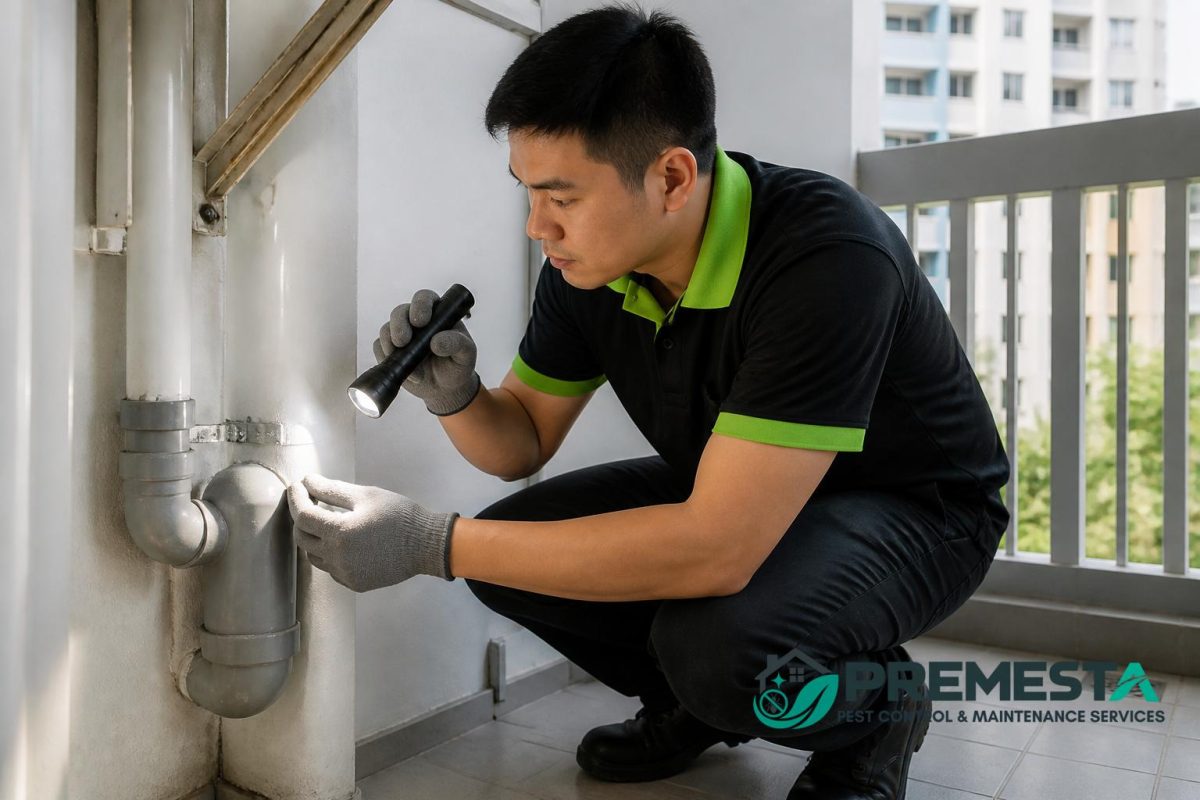
A professional pest control inspection may consider:
- Humidity-prone spots behind cabinets and bookshelves
- Evidence of mould, condensation or water seepage
- Condition of books, cardboard boxes and stored papers
- Ventilation patterns in the room
- Whether the insects are limited to one cabinet or spread across several areas
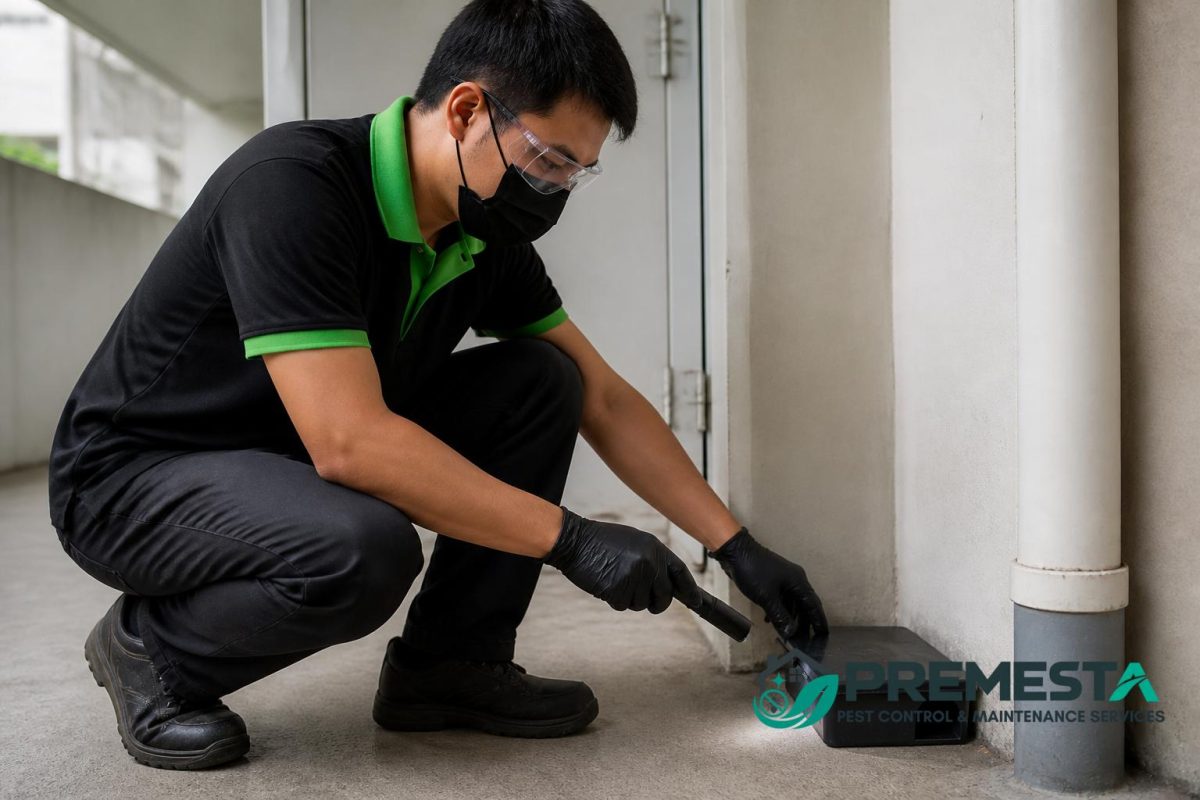
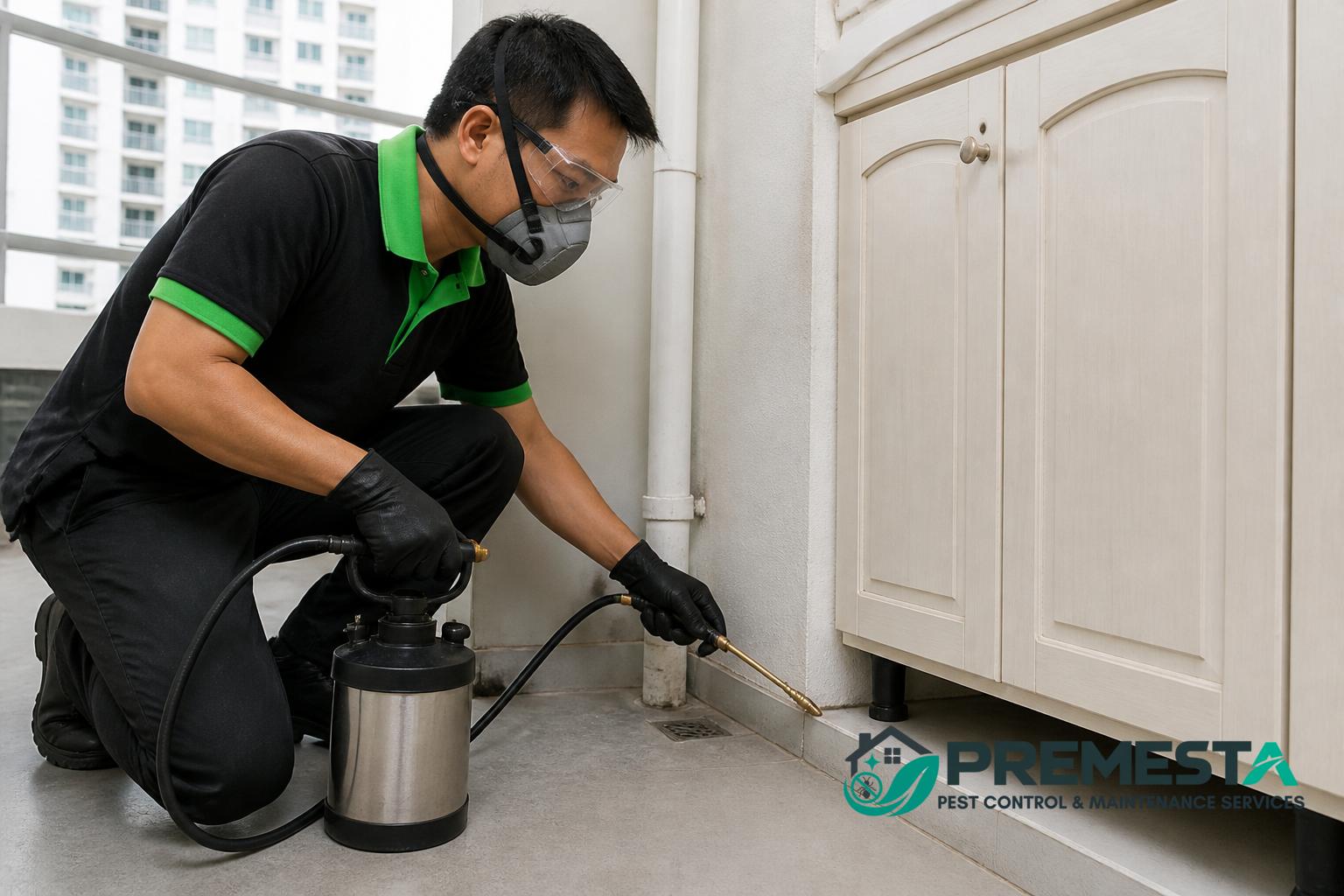
Where appropriate, targeted pest control measures may be used in affected harbourages. The focus is on the specific area of concern rather than broad, unnecessary application throughout the home. At the same time, the moisture source must be addressed; otherwise, the environment remains suitable for recurrence.
What homeowners can do before and after treatment
Preparation matters because booklice are closely tied to the condition of the storage area. Before an inspection or treatment, it helps to clear out the affected cabinet or bookshelf so the pest control provider can examine hidden corners, shelf edges and any damp backing or wall contact points. Items should be sorted carefully, especially books, documents and cardboard packaging that may already show signs of mould or moisture damage.
Useful preparation steps include:
- Remove books, files and stored items from the affected shelves
- Check for visible dampness, stains or soft spots on timber and backing boards
- Avoid placing wet or freshly cleaned items back into the cabinet too soon
- Improve airflow by opening doors or using ventilation where practical
- Keep the area dry and uncluttered after treatment
After treatment, prevention is just as important. If the cabinet sits against a wall with condensation or plumbing seepage, that issue should be monitored. If the room tends to remain closed and humid, periodic airing or dehumidification may help reduce the conditions that booklice prefer. In Singapore, this is often the key to keeping them from returning.
How to reduce dampness in bookshelves and cabinets
Long-term control depends on controlling moisture. Many homes have attractive built-in carpentry, but if the cabinets are tightly sealed and the room is humid, they can trap air and allow mould growth. Booklice do not need large amounts of moisture; even a persistent slightly damp environment may be enough.
Practical steps include:
- Use air-conditioning or dehumidification where suitable
- Leave cabinet doors open occasionally to allow air exchange
- Keep books and papers off the floor and away from walls with seepage risk
- Inspect for plumbing leaks under sinks or behind shelving
- Do not store damp cardboard or paper items in enclosed cupboards
For study rooms and home offices, it is especially helpful to reduce clutter and rotate stored items so dust and moisture do not accumulate unseen. Booklice often benefit from neglected corners, so routine checks can make a noticeable difference.
When to seek professional pest control in Singapore
It may be worth arranging professional pest control when the insects keep returning, when the affected area is large, or when the cause is not obvious. This is particularly relevant in built-in cabinetry, shared walls, service yards or storage rooms where hidden dampness can be difficult to trace. If there are signs of mould, water seepage or repeated infestation across multiple shelves, a more thorough inspection is usually needed.
Professional support is also useful when homeowners are unsure whether the insects are booklice, another moisture-related pest, or a separate issue entirely. Correct identification helps avoid unnecessary treatment and focuses attention on the actual cause. In Singapore homes, the best outcome is typically achieved by combining inspection, targeted control and moisture management rather than relying on a single quick fix.
To discuss the pest issue covered here, WhatsApp Premesta with details of the affected area and any useful photos to request an assessment or quotation.
Conclusion
Booklice in damp cabinets and bookshelves are usually a sign that humidity, ventilation or moisture control needs attention. In Singapore’s climate, they can appear in homes of all types, especially where books, cardboard and timber shelving are stored in enclosed, poorly ventilated areas. Effective pest control for booklice starts with identifying the source of dampness, treating affected harbourages where suitable and reducing the conditions that allow them to return.
By checking for leaks, improving airflow and keeping storage areas dry, homeowners can make cabinets and bookshelves far less inviting to booklice. When the problem persists or spreads, a professional inspection can help determine the extent of the issue and the most practical way to address it.
Choose Premesta Pest Control & Maintenance Services Singapore
Premesta Pest Control & Maintenance Services Singapore provides professional pest control, pest management, and property maintenance services for HDB flats, condominiums, landed homes, and commercial properties across Singapore. We help property owners address pest infestations, identify potential causes, and manage conditions that may lead to recurring pest problems. Our services include bed bug pest control, bed bug extermination, bed bug treatment, termite control, and preventive pest management. We also offer cleaning services, including mattress cleaning and sofa cleaning, to support cleaner and more comfortable indoor environments.
Beyond pest control, our property maintenance services cover plumbing, aircon servicing, electrical services, and handyman services for general repairs and property upkeep. Our additional services include mould removal and ventilation fan services to address common property maintenance concerns. Whether you require pest treatment, routine cleaning, or household repairs, we recommend practical solutions based on your property’s condition and requirements.
For more information about pest prevention, cleaning, and property upkeep, visit our blog for helpful guides or explore our completed projects to learn more about our services across Singapore. Contact us via WhatsApp at +65 8241 0032 to discuss your pest control and property maintenance needs and request a quotation.
Frequently Asked Questions
Are booklice dangerous to people?
Booklice are generally not considered dangerous to people. They are mainly a nuisance pest and are usually associated with dampness or mould in storage areas. That said, their presence may indicate a moisture problem that should be investigated.
Can booklice damage books and cabinets?
Booklice do not usually damage wood in the way termites do, but they can affect books, paper, labels and cardboard by feeding on mould and organic residues. If humidity remains high, the underlying materials may also deteriorate over time.
Why do booklice keep coming back after cleaning?
If booklice return after cleaning, the likely reason is that the moisture source has not been resolved. Cleaning can remove visible insects and dust, but it will not eliminate dampness, condensation or seepage. Long-term control depends on reducing humidity and improving ventilation in the affected area.